
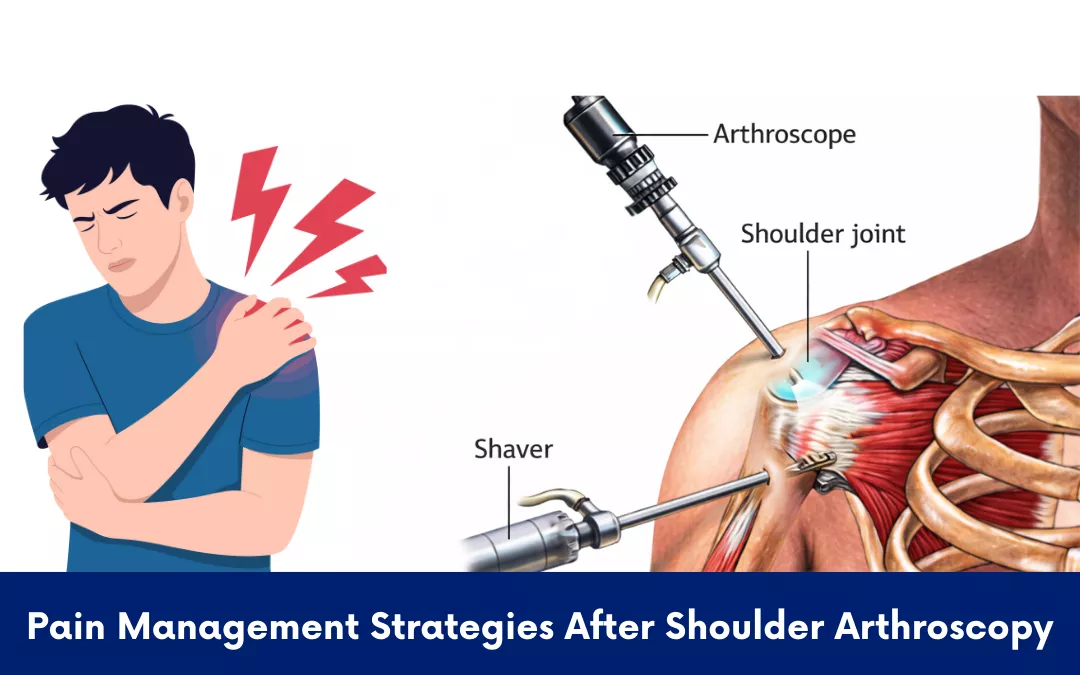
Shoulder arthroscopy surgery in Kolkata is a highly effective minimally invasive procedure to treat various shoulder problems, helping patients regain function and live pain-free lives.
However, effective pain management after surgery is crucial for smooth healing and faster recovery.
Dr. Reet Mukhopadhyay, a leading shoulder arthroscopy surgeon in Kolkata, provides specialized postoperative care and guides patients on managing pain safely and effectively.
This guide explains the best pain management strategies after shoulder arthroscopy to support your healing journey.
Why Does Pain Occur After Surgery?
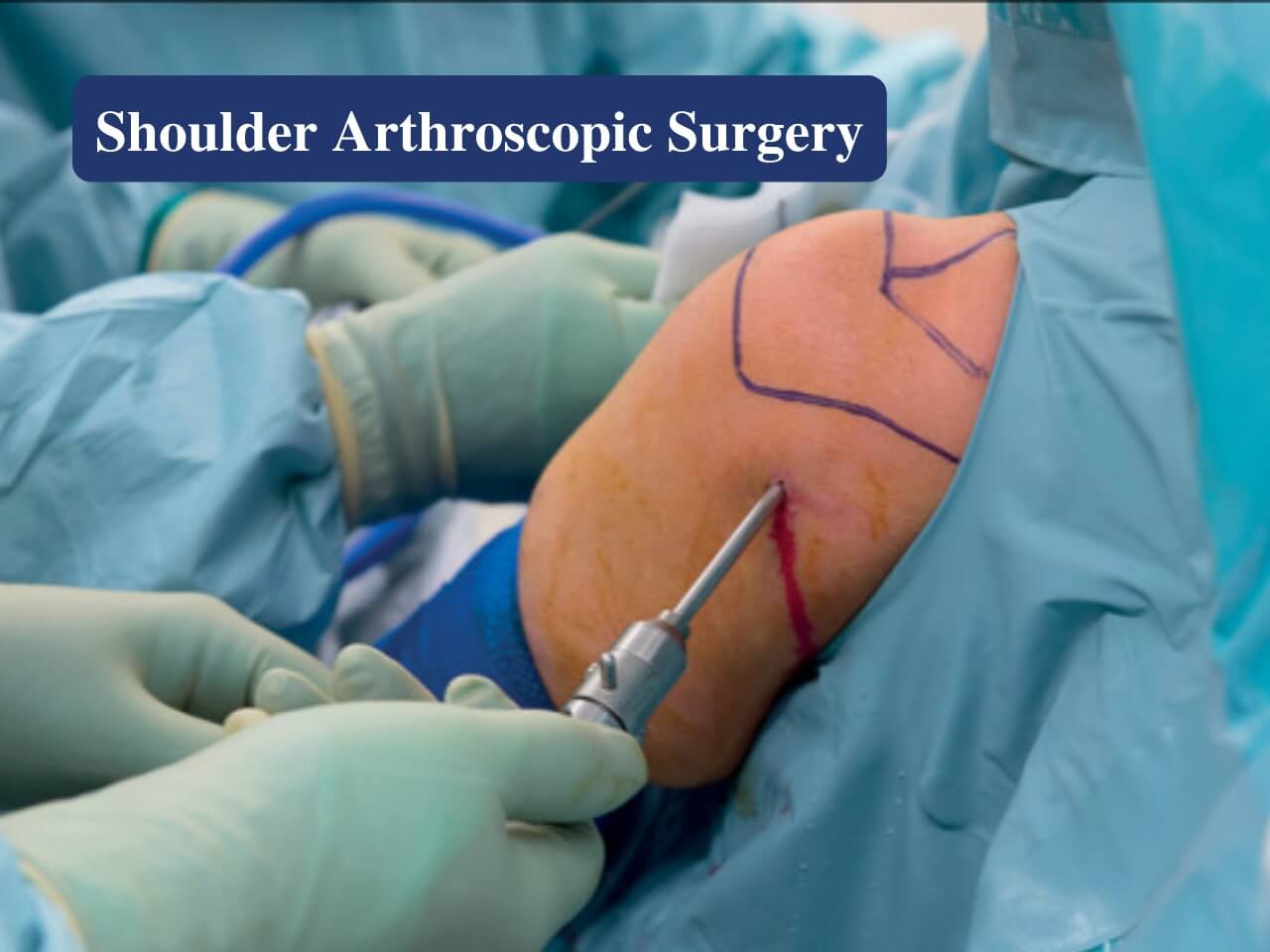
During shoulder arthroscopy, tissues are repaired or cleaned through small keyhole incisions.
Even though it is minimally invasive, the body still undergoes changes that cause discomfort, such as:
- Inflammation around the surgical site
- Temporary shoulder stiffness
- Muscle spasms
- Healing of tendons and ligaments
Shoulder Arthroscopy Pain After Surgery: What’s Normal?
Experiencing pain after the procedure is expected and usually manageable. Normal symptoms may include:
- Mild to moderate pain for the first few days
- Discomfort when moving the shoulder
- Increased soreness during the first week after shoulder arthroscopy — what to expect
- Difficulty sleeping due to shoulder stiffness
Severe, unmanageable pain is not normal and should be discussed with your doctor immediately.
Immediate Pain Relief Strategies After Surgery
Interscalene Nerve Block for Shoulder Arthroscopy
Most patients receive an interscalene nerve block shoulder arthroscopy. This is a type of anesthesia given before surgery that numbs the shoulder and arm, offering:
- Strong pain relief for 8–24 hours
- Reduced need for opioid medications
- Better comfort during the first night after surgery
- Improved early shoulder arthroscopy recovery
Cold Therapy (Ice Packs or Cryotherapy Devices)
Cooling the shoulder is one of the most effective ways to control inflammation. Benefits include:
- Reduced swelling
- Numbed nerve activity for pain relief
- Faster healing in the early stages
Patients are advised to apply ice packs for 15–20 minutes, several times a day during the first 72 hours.
Elevation and Immobilization
Keeping the arm elevated while resting helps reduce fluid buildup and swelling.
Proper immobilization using a sling also helps protect the shoulder repair while reducing strain.
Medications for Pain Management
Opioid vs. Non-Opioid Pain Relief After Shoulder Arthroscopy
Non-Opioid Pain Medications
These are generally the first choice for controlling postoperative pain:
- NSAIDs like ibuprofen or naproxen
- Acetaminophen (paracetamol)
- Ice therapy combined with physio exercises
Benefits:
- Minimal side effects
- Not habit-forming
- Effective for most patients
Opioid Pain Medications
Opioids may be prescribed only for severe pain that is not relieved by non-opioid options. They provide strong pain relief but come with risks:
- Drowsiness
- Constipation
- Nausea
- Dependency when used long-term
Your doctor will guide you on opioid vs non-opioid pain relief shoulder arthroscopy based on your condition.
When Are Opioids Necessary?
Opioids may be used:
- For the first 2–3 days after surgery if pain is intense
- When NSAIDs alone are not effective
- Under strict supervision from your surgeon
Patients are advised to taper off opioids as soon as possible.
Activity Modification During Recovery
Shoulder Arthroscopy Sling Care
A sling protects the shoulder and supports the healing tissues. Proper sling care includes:
- Wearing the sling continuously as instructed
- Keeping the elbow and wrist relaxed
- Avoiding unnecessary arm movements
- Ensuring straps are adjusted for neck comfort
Shoulder Arthroscopy Wound Care
Good wound care prevents infection and ensures faster healing:
- Keep surgical dressings clean and dry
- Change bandages as recommended
- Avoid touching incisions with unclean hands
- Watch for signs of infection (redness, warmth, discharge)
Shoulder Arthroscopy Sleeping Tips
Sleeping can be challenging after surgery. Helpful strategies include:
- Using additional pillows to keep the upper body elevated
- Sleeping in a semi-reclined position
- Avoiding sleeping on the operated side
- Using a recliner chair if available
These shoulder arthroscopy sleeping tips help reduce nighttime discomfort and improve recovery.
Shoulder Arthroscopy Recovery Tips for Long-Term Pain Control
Physiotherapy Exercises
Early physiotherapy plays a key role in reducing pain and preventing stiffness. Rehab usually progresses in phases:
- Early phase (week 1–3): Gentle passive movements
- Middle phase (week 3–6): Active motion and light strengthening
- Late phase (week 6–12): Advanced strengthening and functional training
Regular physiotherapy prevents long-term stiffness and supports a smooth shoulder arthroscopy recovery.
Heat Therapy (After the First Week)
Once initial inflammation reduces, heat therapy can help:
- Relax tight muscles
- Improve tissue flexibility
- Reduce discomfort before exercise sessions
Hydration and Diet for Recovery
A balanced diet supports healing and reduces inflammation:
- Omega-3 rich foods (fish, chia seeds)
- Fresh fruits and vegetables
- Turmeric and ginger
- Adequate water intake
First Week After Shoulder Arthroscopy-What to Expect
During the first week, you may experience:
- Noticeable swelling
- Moderate pain, especially at night
- Limited shoulder movement
- Dependance on sling for most activities
- Some wound drainage
- Sleep disturbances (common and manageable)
Following your surgeon’s shoulder arthroscopy recovery tips helps reduce these symptoms effectively.
When to Call Your Shoulder Arthroscopy Surgeon in Kolkata?
Contact Dr. Reet Mukhopadhyay immediately if you experience:
- Worsening pain despite medication
- Fever or chills
- Foul-smelling wound discharge
- Severe redness or swelling
- Numbness or tingling in the arm
- Difficulty moving the fingers
Prompt evaluation ensures safe and smooth recovery.
Why Choose Dr. Reet Mukhopadhyay for Shoulder Arthroscopy Surgery in Kolkata
- Experienced and trusted shoulder arthroscopy doctor in Kolkata
- Expertise in minimally invasive shoulder procedures
- Customized pain management plans
- Advanced surgical technology and precision
- Personalized rehabilitation guidance
- Excellent patient outcomes and high satisfaction rates
Dr. Reet’s approach ensures that patients not only recover but also return to pain-free mobility confidently.
FAQs on Pain Management After Shoulder Arthroscopy
- How to manage pain after shoulder arthroscopy effectively?
Pain can be managed using a combination of nerve blocks, NSAIDs, ice therapy, sling care, physiotherapy, and proper sleeping posture.
- Is shoulder arthroscopy pain after surgery severe?
Most patients experience mild to moderate discomfort. Severe pain is uncommon and should be reported to your surgeon.
- What are the best shoulder arthroscopy recovery tips for reducing pain?
Use ice packs regularly, take prescribed medications, maintain sling use, follow physiotherapy routines, and get proper rest.
- How does an interscalene nerve block help after surgery?
It numbs the shoulder for several hours, reducing pain significantly and decreasing dependence on opioids.
- How should I sleep after shoulder arthroscopy?
Sleep in a slightly elevated position using pillows or a recliner to reduce pressure on the shoulder.
- What should I avoid during the first week after shoulder arthroscopy?
Avoid lifting, overhead activities, driving, sleeping flat, or wetting the wound.
- How long does complete recovery take?
Initial pain reduces in 1–2 weeks, but full recovery may take 3–6 months depending on the procedure and rehabilitation.
