
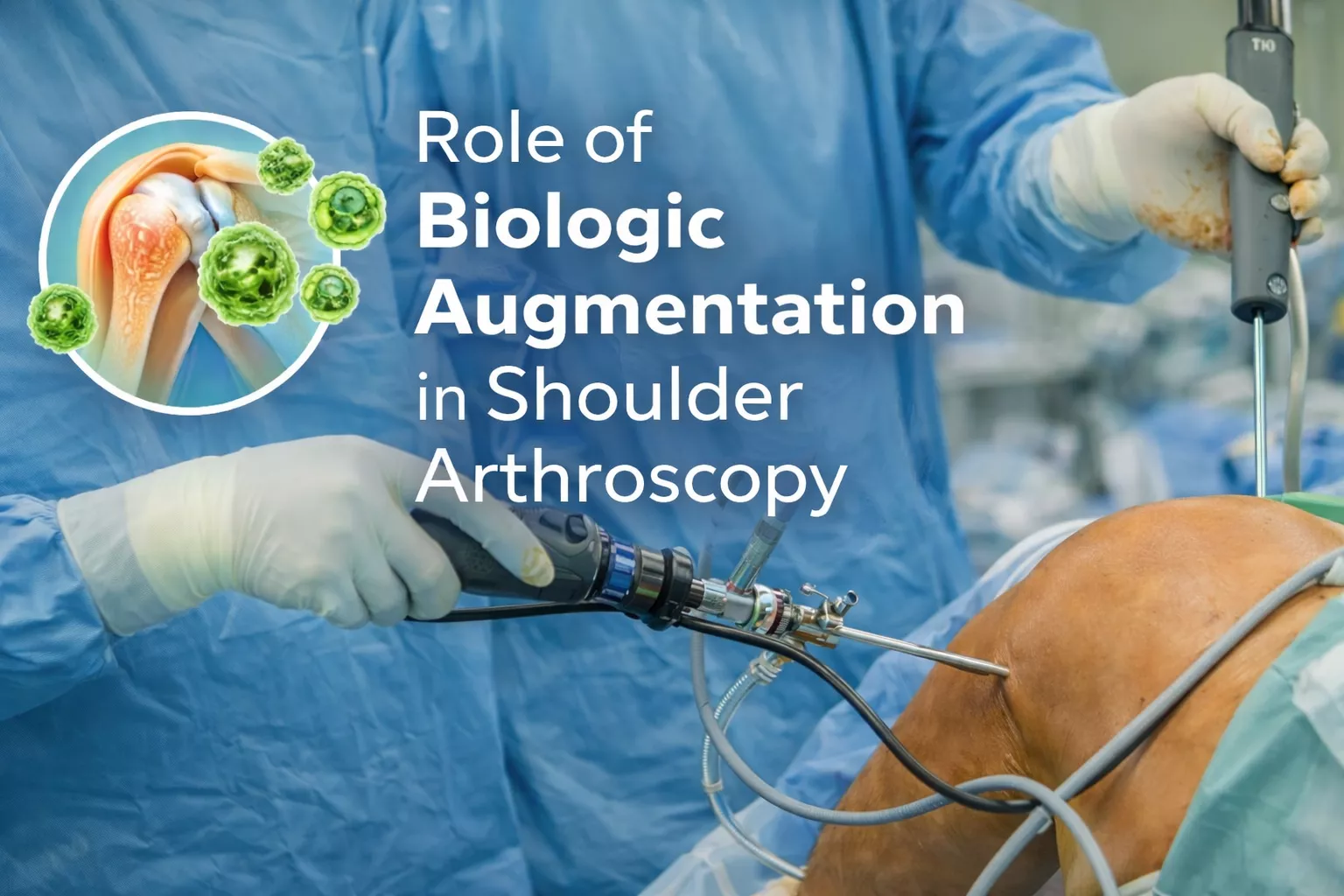
Shoulder pain and dysfunction caused by rotator cuff tears, labral injuries, or degenerative conditions can significantly affect quality of life.
With advancements in orthopedic surgery, shoulder arthroscopy has become the gold standard for treating many shoulder problems in a minimally invasive way.
In recent years, the role of biologic augmentation in shoulder arthroscopy has gained immense attention for its ability to enhance healing, improve surgical outcomes, and reduce recovery time.
Under the expertise of Dr. Reet Mukhopadhyay, a highly experienced orthopedic surgeon in Kolkata with over 3000 successful surgeries, biologic augmentation is being thoughtfully integrated into shoulder arthroscopy to deliver better, long-lasting results for patients.
What Is Shoulder Arthroscopy?
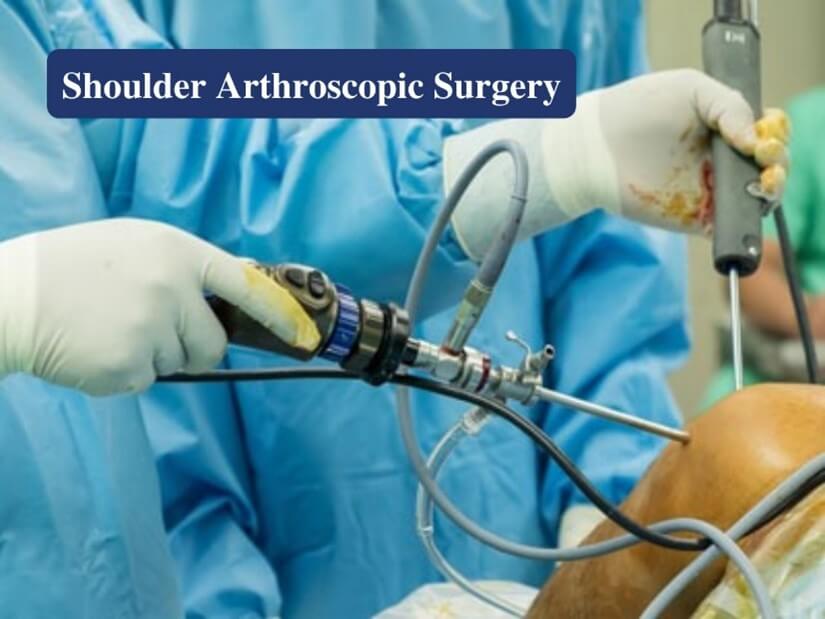
Shoulder arthroscopy is a minimally invasive surgical technique where a small camera (arthroscope) and specialized instruments are inserted through tiny incisions around the shoulder joint.
This allows surgeons to diagnose and treat various shoulder conditions with precision and minimal tissue damage.
Common conditions treated include:
- Rotator cuff tears
- Shoulder impingement
- Labral tears (SLAP lesions)
- Frozen shoulder
- Shoulder instability
Advantages of Shoulder Arthroscopy
- Smaller incisions with minimal scarring
- Reduced postoperative pain
- Faster recovery compared to open surgery
- Shorter hospital stay
- Improved visualization of joint structures
What Is Biologic Augmentation in Orthopedic Surgery?
Biologic augmentation refers to the use of biologically active substances that stimulate the body’s natural healing process.
In orthopedic surgery, these biologics are used to enhance tissue repair, especially in areas with poor blood supply like tendons.
Why Biologic Augmentation Matters
- Traditional surgical repair alone may not always ensure optimal tendon healing
- High re-tear rates in large or chronic rotator cuff tears
- Biologics help improve tissue quality and healing strength
This has led to the development of advanced biologic augmentation techniques in arthroscopy, particularly for shoulder procedures.
Role of Biologic Augmentation in Shoulder Arthroscopy
The role of biologic augmentation in shoulder arthroscopy is to support and accelerate the healing process after surgical repair.
Biologics work at the cellular level to promote regeneration and reduce inflammation.
How Biologics Improve Outcomes?
- Enhance tendon-to-bone healing
- Promote collagen formation
- Reduce postoperative pain and stiffness
- Improve long-term shoulder function
Biologic augmentation is especially beneficial in complex cases, revision surgeries, and patients with compromised tissue quality.
Biologic Augmentation for Rotator Cuff Repair
Challenges in Rotator Cuff Healing
Rotator cuff tendons have limited blood supply, making healing slow and sometimes incomplete. Large or chronic tears are particularly prone to re-tearing after surgery.
How Biologics Help
Biologic augmentation for rotator cuff repair improves:
- Tendon strength and durability
- Integration of tendon with bone
- Overall success rate of the repair
This approach is increasingly being adopted to improve surgical outcomes in rotator cuff arthroscopy.
PRP in Shoulder Arthroscopy
What Is PRP?
Platelet-rich plasma (PRP) is derived from the patient’s own blood and contains a high concentration of growth factors that play a key role in tissue healing.
PRP in Shoulder Arthroscopy
PRP in shoulder arthroscopy is commonly applied at the repair site during surgery to enhance healing. It may be injected directly into the tendon-bone interface or used alongside sutures and anchors.
Platelet Rich Plasma Shoulder Surgery Outcomes
Clinical studies and patient outcomes suggest that PRP can:
- Reduce postoperative pain
- Speed up recovery
- Improve shoulder strength and mobility
- Lower re-tear rates in selected cases
Other Biologic Augmentation Techniques in Arthroscopy
Stem Cell Therapy
Stem cells derived from bone marrow or adipose tissue help regenerate damaged tissues and improve healing in difficult shoulder repairs.
Bioinductive Patches
These are collagen-based scaffolds placed over damaged tendons to encourage new tendon growth, especially useful in partial or massive rotator cuff tears.
Growth Factor-Based Therapies
These therapies stimulate the body’s natural repair mechanisms and improve the quality of healed tissue.
Benefits of Biologic Augmentation in Shoulder Repair
The benefits of biologic augmentation in shoulder repair include:
- Faster and stronger healing
- Reduced pain and inflammation
- Improved range of motion
- Lower chances of revision surgery
- Better long-term functional outcomes
Latest Advancements in Shoulder Arthroscopy Biologics
Innovations in Orthobiologics
The latest advancements in shoulder arthroscopy biologics include:
- Advanced PRP formulations
- Combination biologic therapies
- Personalized treatment based on patient biology
Role of Research and Technology
Ongoing research continues to refine biologic applications, making shoulder arthroscopy safer and more effective than ever before.
Who Is an Ideal Candidate for Biologic Augmentation?
Biologic augmentation may be recommended for:
- Patients with large or chronic rotator cuff tears
- Athletes and physically active individuals
- Revision shoulder arthroscopy cases
- Older patients with poor tendon quality
Proper patient selection by an experienced surgeon is crucial for success.
Shoulder Arthroscopy Surgery in Kolkata: Why Expertise Matters
Choosing the right surgeon plays a vital role in achieving optimal outcomes. Advanced procedures like biologic augmentation require precision, experience, and evidence-based decision-making.
Patients seeking shoulder arthroscopy surgery in Kolkata benefit greatly when treated by an expert shoulder arthroscopy surgeon in Kolkata who is well-versed in modern arthroscopic and biologic techniques.
Dr. Reet Mukhopadhyay’s Approach to Biologic Augmentation
With extensive experience in orthopedic surgery, Dr. Reet Mukhopadhyay adopts a patient-centric, evidence-based approach:
- Careful evaluation and patient selection
- Use of advanced biologic augmentation techniques
- Customized rehabilitation protocols
- Focus on long-term recovery and function
Post-Surgery Recovery and Rehabilitation
Role of Biologics in Recovery
Biologics help reduce inflammation and promote faster tissue healing, allowing patients to progress through rehabilitation more efficiently.
Rehabilitation Protocol
- Early controlled movements
- Gradual strengthening exercises
- Structured physiotherapy under guidance
- Safe return to daily activities and sports
FAQs: Role of Biologic Augmentation in Shoulder Arthroscopy
- What is the role of biologic augmentation in shoulder arthroscopy?
It enhances healing by promoting tissue regeneration and improving tendon repair strength. - Is PRP in shoulder arthroscopy safe?
Yes, PRP is safe as it is prepared from the patient’s own blood. - Does biologic augmentation improve rotator cuff repair success?
Yes, it can reduce re-tear rates and improve functional outcomes in selected patients. - Who benefits most from biologic augmentation?
Patients with large tears, athletes, and revision surgery cases benefit significantly. - Is biologic augmentation available during shoulder arthroscopy surgery in Kolkata?
Yes, advanced orthopedic centers in Kolkata now offer biologic augmentation as part of shoulder arthroscopy.
Conclusion
The role of biologic augmentation in shoulder arthroscopy represents a major step forward in orthopedic care. By enhancing healing, reducing pain, and improving surgical success rates, biologics are transforming how shoulder injuries are treated.
When performed by an experienced shoulder arthroscopy surgeon in Kolkata, such as Dr. Reet Mukhopadhyay, patients can expect safer procedures, faster recovery, and better long-term outcomes.
