
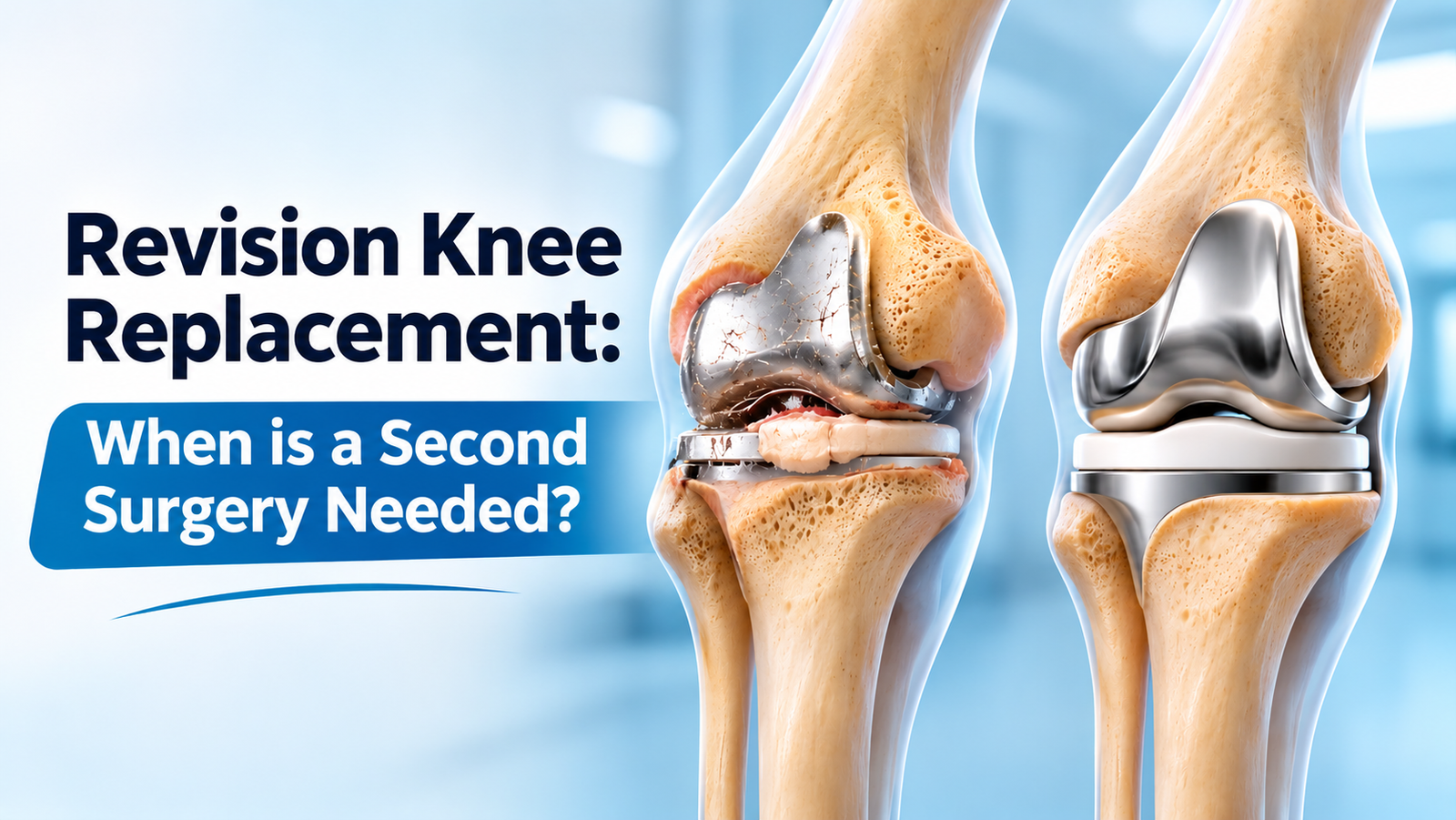
A knee replacement is meant to last for many years, and for most people it does. But sometimes pain returns, the knee feels loose, or swelling just won’t settle. If that sounds familiar, you may be wondering whether the implant has failed and whether you need another operation. In certain cases, a revision procedure by an experienced revision knee replacement surgeon in Kolkata can restore comfort and function. This guide explains what revision surgery is, the warning signs, and how doctors decide when a second surgery is truly needed.
What Is Revision Knee Replacement?
Revision knee replacement is a procedure in which a surgeon removes all or part of a previous knee implant and replaces it with new components. It is usually more complex than the first surgery. There may be bone loss, scar tissue, or a loose implant to deal with, so it needs careful planning and specialised implants and instruments.
Why Do Knee Replacements Fail?
A primary knee replacement can need revision for several reasons:
- Aseptic loosening: The implant gradually loosens from the bone over time, even without infection.
- Wear of the implant: The plastic liner wears down, which can cause inflammation and bone loss around the joint.
- Infection: Bacteria around the implant can cause pain, swelling, and implant failure.
- Instability: The knee feels wobbly or gives way, often due to soft tissue imbalance or implant problems.
- Stiffness: Excess scar tissue limits bending, and sometimes it does not respond to physiotherapy.
- Fracture around the implant: A fall or injury can break the bone near the prosthesis.
- Malalignment or component malposition: The implant is not sitting as it should, leading to uneven stress.
Signs You May Need a Second Surgery
Not every painful knee after replacement needs revision. But you should get checked if you notice:
- Persistent pain that is not improving, especially pain at rest or at night
- Swelling or warmth in the knee that keeps recurring
- A feeling of looseness, or the knee giving way
- Stiffness or a sudden drop in the range of motion
- Difficulty walking, using stairs, or standing up from a chair
- Fever, redness, or discharge near the scar, which can suggest infection
- A visible change in the shape or alignment of the leg
How Is the Need for Revision Decided?
Your surgeon will take a detailed history and examine the knee for stability, motion, and tenderness. Several tests help find the cause of the problem:
- X-rays: Show implant position, loosening, and bone changes.
- Blood tests: Markers such as ESR and CRP help screen for infection.
- Joint aspiration: Fluid from the knee may be tested if infection is suspected.
- CT or MRI scans: Used in selected cases to assess bone loss or implant alignment.
The most important step is to find the real cause of pain. Revision surgery works best when there is a clear, correctable problem. If the cause is unclear, or the pain comes from somewhere else such as the spine or hip, another operation may not help.
What Happens During Revision Surgery?
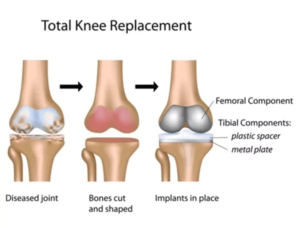
Depending on the problem, the surgeon may replace just one component or the entire implant. Bone defects may be filled with augments, cement, or bone graft, and stems may be added for extra stability. If infection is the cause, treatment may be done in two stages, with the infected implant removed first, antibiotics given, and a new implant placed later. Because of this complexity, planning at a centre experienced in joint replacement surgery in Kolkata helps ensure the right strategy is chosen for your knee.
Recovery After Revision Knee Replacement
Recovery is often slower than after a first knee replacement. You may need a longer hospital stay, protected weight bearing in some cases, and a structured physiotherapy programme. Most people regain good function and pain relief, but results depend on the reason for revision, the condition of the bone and soft tissues, and how well rehabilitation is followed.
Can You Reduce the Risk of Needing Revision?
Not every cause is preventable, but these steps help:
- Choose an experienced surgeon and follow their advice closely
- Maintain a healthy weight to reduce stress on the implant
- Treat infections elsewhere in the body promptly
- Avoid high-impact activities as advised
- Attend regular follow-up visits and X-rays
When Should You Talk to a Doctor?
If your replaced knee is painful, unstable, or swollen, do not ignore it or assume it is normal. An early assessment can identify problems like loosening or infection before they cause major bone damage, and that often makes revision simpler and results better. For a clear diagnosis and honest advice on whether a second surgery is needed, book a consultation with Dr. Reet Mukhopadhyay.
Frequently Asked Questions
- How long does a knee replacement last before it needs revision?
Most modern knee replacements last 15 to 20 years or more, though this varies with age, activity level, weight, and implant type. Many people never need a revision. - Is revision knee replacement more difficult than the first surgery?
Yes, it is usually more complex because of scar tissue, bone loss, and the need to remove the old implant. It takes more planning and often longer operating time, which is why experience matters. - Can knee pain after replacement be treated without a second surgery?
Sometimes. If the implant is stable and well aligned, treatments such as physiotherapy, medication, or addressing other sources of pain may help. Revision is considered when there is a clear mechanical problem or infection. - How long is recovery after revision knee replacement?
Recovery often takes longer than after a primary replacement. Many people walk with support in the first weeks and continue to improve over several months with physiotherapy, though the timeline depends on how extensive the revision was. - Does revision surgery relieve pain and restore function?
For most patients with a correctable cause, revision surgery significantly reduces pain and improves mobility. Results may not match a first replacement in every case, so realistic expectations are important.
