
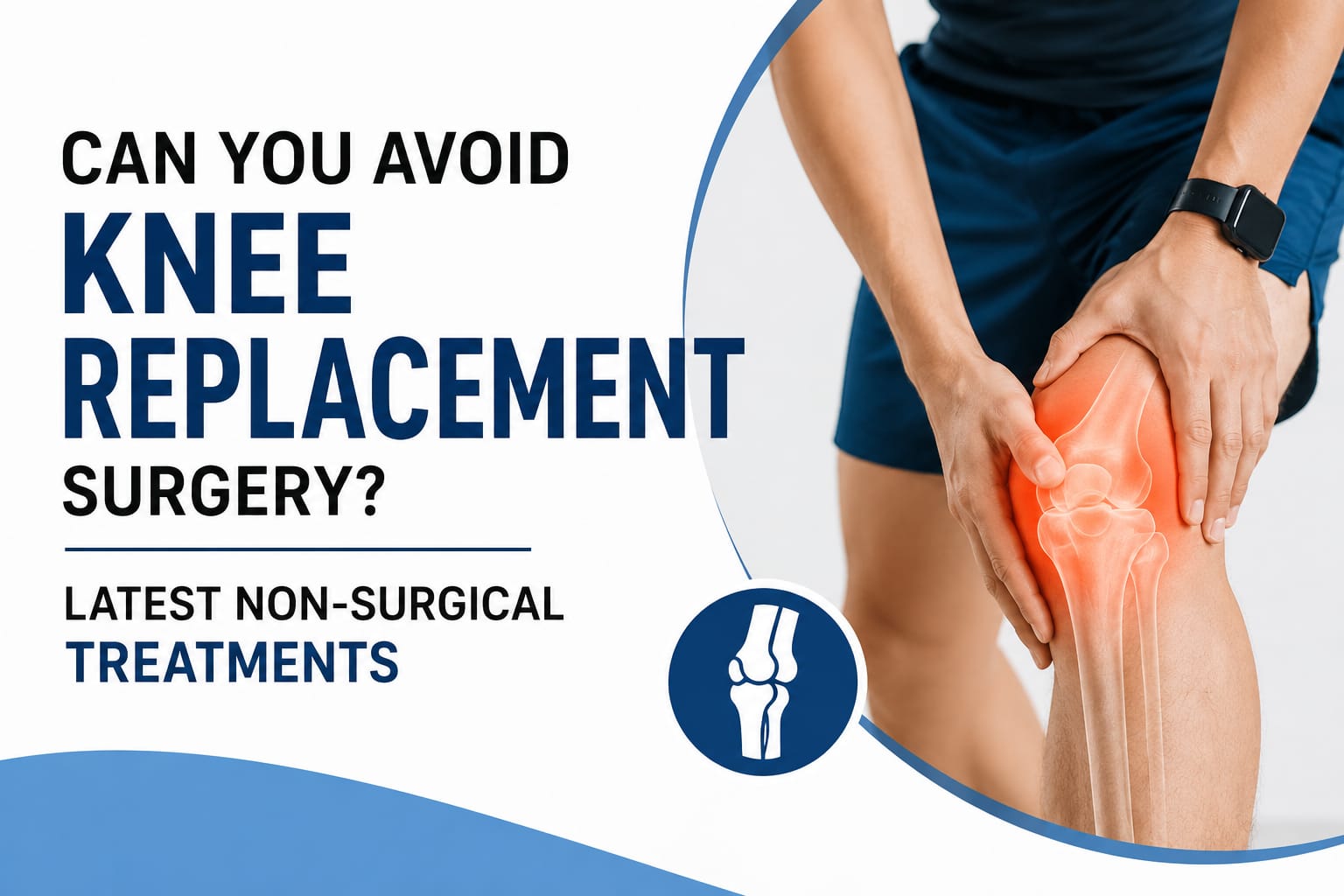
Knee pain is becoming increasingly common among adults over 40, especially due to osteoarthritis, obesity, sports injuries, and age-related wear and tear. While many people fear they may eventually require Knee Replacement surgery, the good news is that modern orthopaedic medicine now offers several advanced non-surgical treatments that can help reduce pain, improve mobility, and delay surgery for years.
In many cases, early diagnosis and timely treatment can significantly slow down joint damage and help patients maintain an active lifestyle without immediately opting for surgery.
If you are suffering from persistent knee pain, stiffness, swelling, or difficulty walking, understanding the latest non-surgical options can help you make an informed decision.
What Causes Severe Knee Pain?
The knee joint carries most of the body’s weight. Over time, the cartilage cushioning the bones begins to wear away, causing pain and inflammation. Common causes include:
- Osteoarthritis
- Rheumatoid arthritis
- Ligament injuries
- Meniscus tears
- Obesity-related joint stress
- Sports injuries
- Age-related degeneration
When conservative treatments fail and the joint becomes severely damaged, doctors may recommend Knee Replacement surgery. However, not every patient requires surgery immediately.
Can Knee Replacement Surgery Be Avoided?
Yes — in many early and moderate arthritis cases, surgery can often be delayed with proper treatment and lifestyle management.
Modern orthopaedic care focuses on:
- Pain reduction
- Improving joint movement
- Strengthening surrounding muscles
- Slowing cartilage degeneration
- Enhancing quality of life
The right treatment plan depends on the severity of arthritis, age, activity level, weight, and overall joint condition.
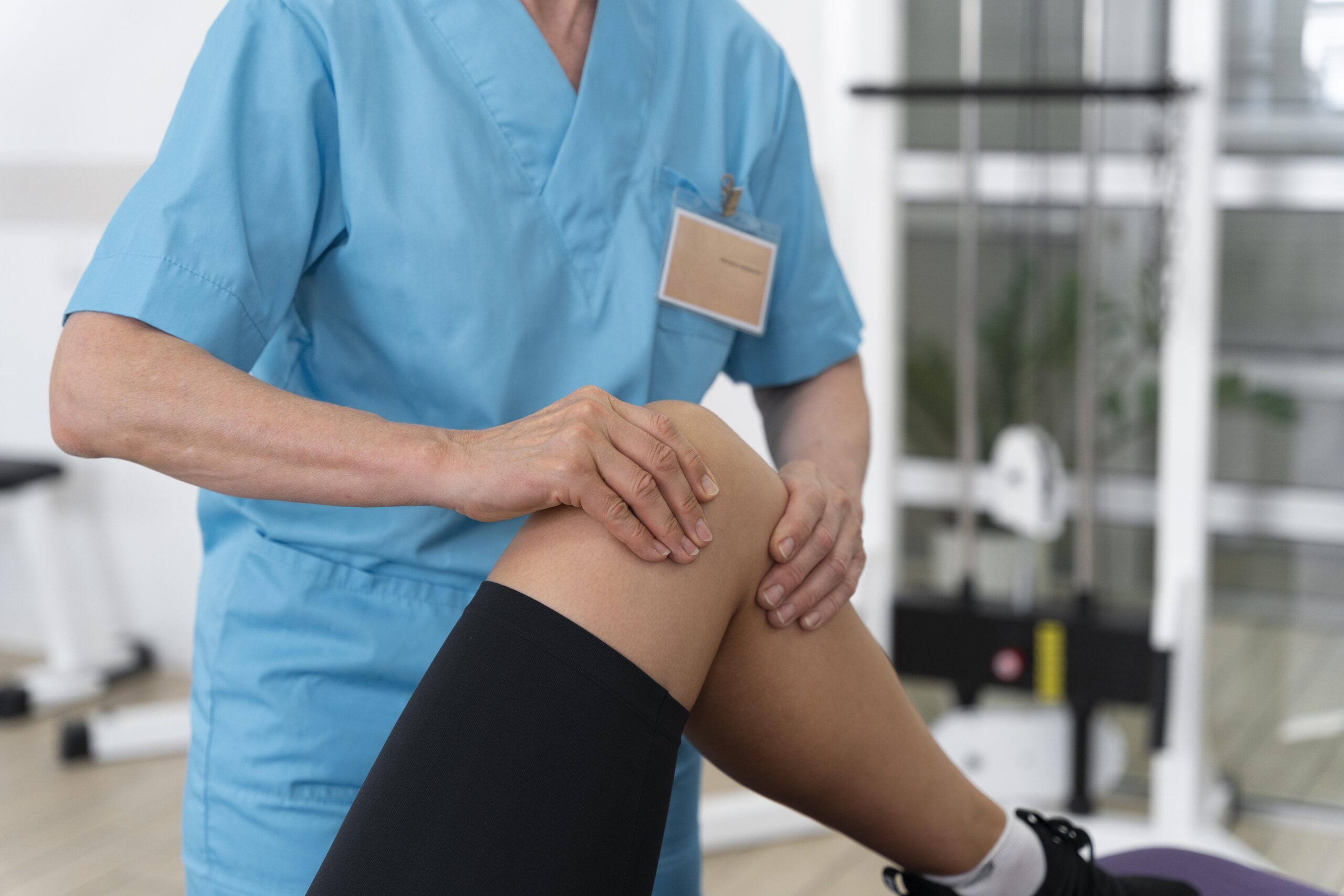
Latest Non-Surgical Treatments for Knee Pain
- Physiotherapy and Muscle Strengthening
Physiotherapy remains one of the most effective first-line treatments for knee arthritis.
A structured exercise program helps:
- Strengthen thigh and calf muscles
- Improve joint stability
- Reduce stiffness
- Increase flexibility
- Improve walking ability
Strong muscles reduce pressure on the knee joint and may help delay Knee Replacement surgery.
- Weight Management
Even a small reduction in body weight can significantly decrease stress on the knees.
Research suggests that every extra kilogram of body weight adds multiple kilograms of pressure on the knee joint during walking and climbing stairs. Weight loss can therefore:
- Reduce pain
- Improve mobility
- Slow arthritis progression
- PRP Therapy (Platelet-Rich Plasma)
PRP therapy is one of the most talked-about regenerative treatments in orthopaedics today.
In this procedure:
- A small amount of the patient’s blood is collected
- Platelets rich in growth factors are separated
- The solution is injected into the knee joint
PRP may help:
- Reduce inflammation
- Improve healing response
- Decrease pain
- Improve knee function
Many patients with mild to moderate arthritis experience relief and can postpone Knee Replacement surgery.
- Hyaluronic Acid Injections
These injections act like a lubricant inside the knee joint.
Benefits include:
- Reduced friction
- Improved joint movement
- Temporary pain relief
- Better walking comfort
This treatment is commonly recommended for moderate osteoarthritis.
- Medications and Pain Management
Doctors may prescribe:
- Anti-inflammatory medicines
- Pain relievers
- Supplements for joint support
While medications do not reverse arthritis, they can help manage symptoms effectively when combined with exercise and physiotherapy.
- Knee Braces and Support Devices
Advanced knee braces help:
- Improve alignment
- Reduce joint stress
- Provide stability during walking
Many patients experience better mobility and confidence while performing daily activities.
- Lifestyle Modifications
Simple daily changes can protect your knee joints:
- Avoid prolonged sitting
- Use supportive footwear
- Avoid excessive stair climbing
- Choose low-impact exercises like swimming or cycling
- Maintain an active lifestyle
These habits may significantly reduce arthritis progression.
When Is Knee Replacement Surgery Necessary?
Despite advanced non-surgical treatments, some patients eventually require surgery if:
- Pain becomes severe
- Walking becomes difficult
- Sleep is disturbed due to pain
- Joint deformity develops
- Daily activities become restricted
- Conservative treatments stop working
Modern Knee Replacement surgery has become safer, more precise, and highly successful with robotic-assisted technology and minimally invasive techniques.
Patients undergoing advanced robotic procedures often experience:
- Better implant positioning
- Faster recovery
- Improved knee function
- Long-term durability
Importance of Early Consultation
Ignoring knee pain can worsen joint damage over time. Early evaluation by an experienced orthopaedic specialist allows:
- Accurate diagnosis
- Personalized treatment planning
- Early intervention
- Better long-term outcomes
If you are looking for the best knee replacement surgery in Kolkata, consulting an experienced orthopaedic surgeon can help determine whether non-surgical management is still possible or if surgery is the best option for lasting relief.
Advanced Knee Care in Kolkata
Today, several advanced orthopaedic centres offer modern arthritis management and robotic joint replacement solutions in Kolkata. Patients searching for the:
- best knee replacement doctor in Kolkata
- best knee replacement in Kolkata
- advanced robotic knee replacement
- non-surgical knee arthritis treatment
should always choose a specialist with extensive experience in joint preservation and replacement procedures.
Frequently Asked Questions (FAQs)
Can knee arthritis be treated without surgery?
Yes, mild to moderate arthritis can often be managed using physiotherapy, PRP therapy, injections, weight management, and medications.
How long can Knee Replacement surgery be delayed?
With proper treatment and lifestyle modifications, some patients can delay surgery for several years.
Is PRP therapy effective for knee pain?
PRP therapy may help reduce inflammation and improve knee function in selected patients with early arthritis.
When should I consider Knee Replacement surgery?
Surgery may be recommended when pain becomes severe, mobility is limited, and non-surgical treatments no longer provide relief.
Is robotic Knee Replacement better?
Robotic-assisted surgery offers greater precision and may improve recovery and implant positioning.
Conclusion
Not every patient with knee arthritis immediately needs surgery. Modern non-surgical treatments now provide effective pain relief and improved mobility for many individuals suffering from chronic knee problems.
However, timely diagnosis is crucial. Delaying treatment for too long may lead to severe joint damage and reduced quality of life. Whether you need conservative care or advanced Knee Replacement surgery, consulting an experienced orthopaedic specialist is the first step toward long-term knee health.
Struggling With Knee Pain?
Don’t ignore persistent knee discomfort or stiffness. Early treatment can help you avoid complications and maintain an active lifestyle.
Book your consultation today with an experienced orthopaedic specialist to explore the latest non-surgical treatments and advanced Knee Replacement options in Kolkata.
For expert care, advanced diagnostics, and personalized treatment plans, visit Orthodoc Reet today.
