
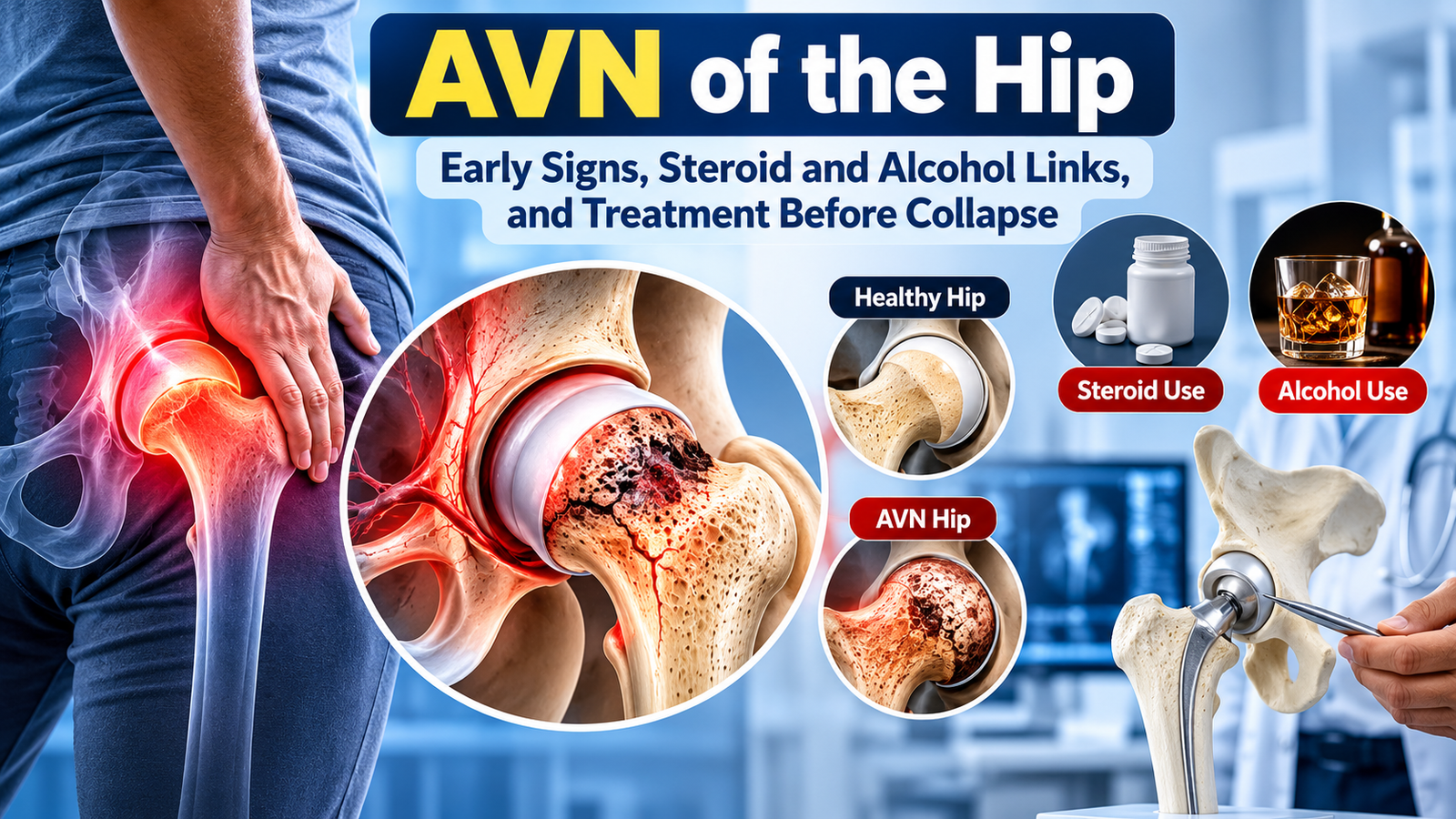
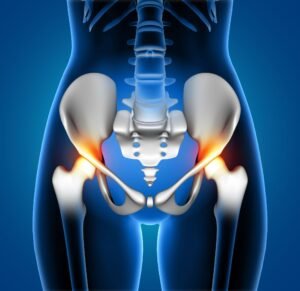
Avascular necrosis (AVN) of the hip, also called osteonecrosis of the femoral head, happens when the blood supply to the ball of the hip joint is reduced or cut off. Without enough blood, the bone cells die, the bone weakens, and the smooth surface of the joint can eventually collapse. Many people mistake the early pain for a muscle strain or a back problem, and by the time they seek help, the damage is advanced. Getting an early diagnosis from an experienced hip replacement surgeon Kolkata patients trust can make the difference between saving your own joint and needing a replacement.
AVN is not rare, and it often affects people between 30 and 50 years of age, which is younger than typical hip arthritis. The good news is that if it is caught before the bone collapses, there are treatments that can slow or even stop its progress. That is why understanding the warning signs matters so much.
Not every case can be treated by preserving the joint, however. When the femoral head has already collapsed or the cartilage is badly damaged, a specialist in joint replacement surgeon Kolkata care can restore pain-free movement with an implant. The aim of early detection is to avoid reaching that stage wherever possible.
What Causes AVN of the Hip?
AVN develops when something interferes with the blood supply to the femoral head. The most common causes and risk factors include:
- Long-term or high-dose steroid use: Steroids prescribed for conditions such as asthma, autoimmune disease, severe allergies, or after serious infections are a well-known cause. The risk rises with higher doses and longer treatment.
- Heavy alcohol use: Regular excessive drinking can affect blood vessels and fat metabolism, which may reduce blood flow to the bone.
- Hip injury: A fracture or dislocation of the hip can damage the blood vessels supplying the femoral head.
- Medical conditions: Sickle cell disease, lupus, certain clotting disorders, and some blood or metabolic conditions can raise the risk.
- Other factors: Radiation therapy, certain medicines, and in some cases no clear cause can be found.
The Steroid and Alcohol Connection
Two risk factors deserve special attention because they are common and, to a large degree, avoidable.
Steroids. Many patients received steroids during illness and later developed hip pain months or even years afterward. This does not mean steroids should never be used, because they are often lifesaving. It means that anyone who has taken steroids for a long period or at high doses should report any new hip, groin, or thigh pain to their doctor promptly and not wait for it to settle.
Alcohol. If you drink heavily, the risk of AVN is higher. Reducing or stopping alcohol is one of the most useful steps you can take to protect your joints, and it improves the chance that treatment will work.
Early Signs You Should Not Ignore
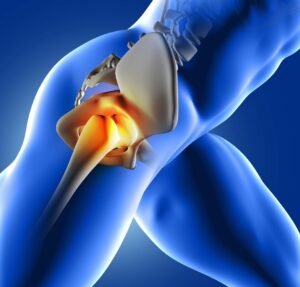
The early symptoms of AVN can be subtle. Watch for:
- Pain in the groin, which may spread to the thigh, buttock, or even the knee
- Pain that starts mildly and slowly worsens over weeks or months
- Pain when putting weight on the leg, or discomfort at night and at rest
- Stiffness or reduced movement of the hip, such as difficulty crossing legs or putting on socks
- A limp as the condition progresses
Because the pain can appear in the knee or thigh, some patients are treated for the wrong problem for months. If you have risk factors such as steroid use or heavy alcohol intake, persistent hip-area pain should be evaluated.
How Is AVN Diagnosed?
The diagnosis starts with a detailed history and a physical examination of the hip. A standard X-ray may look normal in the very early stage, so it can miss the problem. An MRI is the most sensitive test and can detect AVN before changes appear on X-ray. The MRI also helps your surgeon judge how large the affected area is and which stage the disease has reached, and this guides the treatment plan.
Treatment Before Collapse: Saving Your Own Hip
When AVN is found early, before the femoral head has collapsed, the goal is to protect the joint and delay or avoid replacement. Options your surgeon may consider include:
- Protected weight bearing and activity changes: Reducing stress on the hip with crutches or a walker and avoiding high-impact activity.
- Medication and risk-factor control: Pain relief, stopping or reducing alcohol, and reviewing steroid use with your treating doctors. Medicines alone are generally not enough for larger lesions.
- Core decompression: A surgical procedure in which small channels are made in the bone to relieve pressure inside the femoral head and encourage new blood flow. It may be combined with bone grafting or other biological support.
- Bone grafting procedures: Used to support the weakened area and help the bone heal.
- Corrective osteotomy: In selected cases, the bone is repositioned so that healthy bone carries your body weight instead of the damaged area.
The best option depends on the stage, size of the affected area, your age, and your activity level. Joint-preserving surgery works best when it is done early, which is why delay can limit your choices.
When Replacement Becomes Necessary
If the femoral head has already collapsed, or arthritis has developed, joint-preserving treatment is unlikely to work. At that stage, total hip replacement is a reliable way to relieve pain and restore walking, sitting, and daily activities. Modern implants and minimally invasive techniques allow most patients to get back to an active life. Your surgeon will explain whether you are still in the window for joint preservation or whether replacement is the better choice.
Protecting Your Hips
You can lower your risk by:
- Discussing the risks and benefits whenever steroids are prescribed, and never stopping them on your own
- Limiting alcohol intake
- Seeking prompt treatment after any hip injury
- Getting persistent groin or hip pain checked, especially if you have risk factors
Don’t Wait for the Pain to Get Worse
AVN rarely improves by itself, and the earlier it is treated, the more options you have. If you have persistent hip or groin pain, or you have a history of steroid use or heavy alcohol intake, get evaluated before the joint is damaged beyond repair. You can contact Dr. Reet today for an assessment and a personalized treatment plan.
Frequently Asked Questions
- What is the earliest sign of AVN of the hip?
The earliest sign is usually pain in the groin or thigh that gets worse when you put weight on the leg. It may begin mildly and may also be felt in the buttock or knee. - Can steroids really cause AVN of the hip?
Yes. Long-term or high-dose steroid use is one of the most common causes of AVN. If you have taken steroids and develop hip or groin pain, get it checked early. - Does alcohol cause avascular necrosis?
Heavy, long-term alcohol use is a known risk factor for AVN. Cutting down or stopping alcohol helps protect your joints and supports treatment. - Can AVN be treated without hip replacement?
In the early stage, before the bone collapses, treatments such as protected weight bearing, core decompression, bone grafting, or osteotomy may help save the joint. Once collapse has occurred, replacement is usually needed. - How is AVN diagnosed?
Diagnosis is based on your history, a hip examination, and imaging. An MRI is the most sensitive test and can detect AVN even when the X-ray looks normal.
