
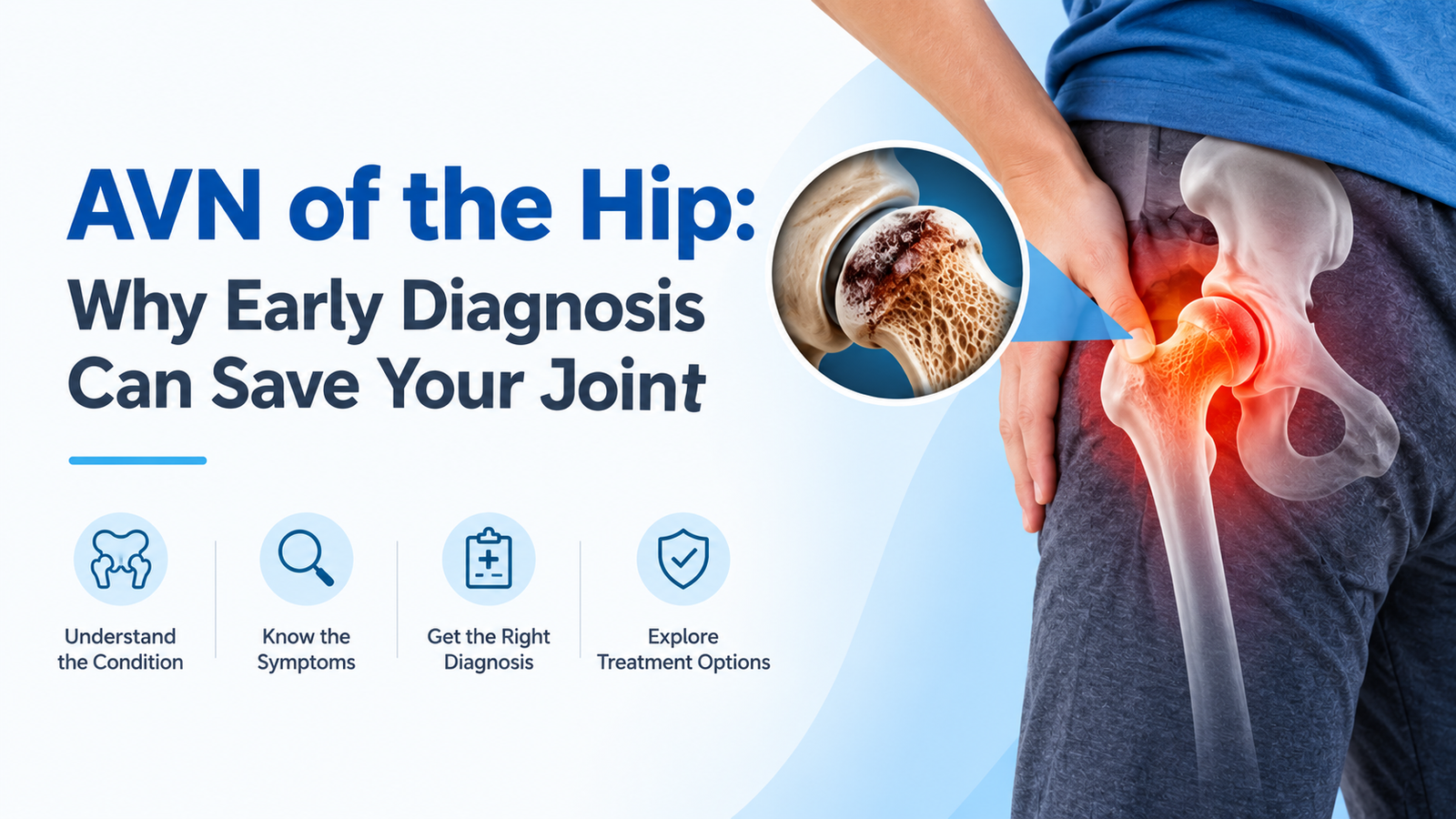
Avascular Necrosis (AVN) of the hip, also known as osteonecrosis of the femoral head, is a condition that often goes unnoticed until it has already caused significant joint damage. Many patients in Kolkata visit an orthopedic clinic complaining of vague hip or groin pain, unaware that the underlying cause could be AVN a progressive condition that, if left untreated, can lead to the collapse of the hip joint. The good news is that early diagnosis can make a dramatic difference, often helping patients avoid major surgery altogether. In this blog, we explain what AVN is, why timely detection matters, and how experienced hip replacement specialists approach treatment.
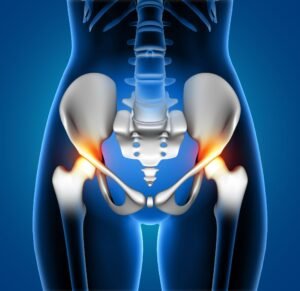
What Is Avascular Necrosis of the Hip?
The femoral head, the ball-shaped top of the thigh bone that fits into the hip socket, depends on a steady blood supply to stay healthy. When this blood supply is disrupted, the bone tissue begins to die in a process called avascular necrosis. Without adequate blood flow, the bone weakens, loses its structural integrity, and can eventually collapse under normal body weight.
AVN of the hip most commonly affects adults between 30 and 60 years of age, although it can occur at any age. It may develop in one hip or, in many cases, progress to affect both hips over time.
What Causes AVN of the Hip?
Several factors can interrupt blood flow to the femoral head, including:
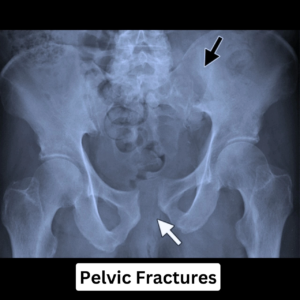
- Trauma or injury: Hip fractures, dislocations, or injuries sustained in accidents can damage blood vessels supplying the femoral head. This is a key reason pelvic trauma surgery specialists remain closely involved in AVN cases that follow an injury.
- Prolonged steroid use: High-dose or long-term corticosteroid therapy is one of the most common non-traumatic causes.
- Excessive alcohol consumption: Chronic heavy drinking is strongly linked to fatty deposits blocking small blood vessels.
- Certain medical conditions: Sickle cell disease, lupus, blood clotting disorders, and decompression sickness (common in deep-sea divers) increase risk.
- Idiopathic cases: In some patients, no clear cause is identified despite thorough evaluation.
Why Early Diagnosis Matters So Much
AVN progresses through distinct stages, and the treatment options as well as the outcomes depend heavily on which stage the disease is caught in.
In the early stages, before the femoral head collapses, the bone may still be saved. Joint-preserving procedures such as core decompression, bone grafting, or vascularized fibular grafting can relieve pressure inside the bone and restore some blood supply, giving the patient a real chance of keeping their natural hip joint functional for years.
In the later stages, once the femoral head has collapsed or arthritis has set in, joint-preserving options are no longer effective. At this point, the joint has typically sustained irreversible damage, and a total hip replacement becomes the most reliable way to relieve pain and restore mobility.
This is precisely why early symptoms should never be dismissed as ordinary muscle strain or fatigue. A patient who consults a hip specialist within the first few months of experiencing groin or hip pain has considerably more treatment options than one who waits a year or more.
Common Symptoms to Watch For
AVN of the hip can be silent in its earliest stage, but as it progresses, patients typically notice:
- Deep, aching pain in the groin, thigh, or buttock, especially with weight-bearing
- Pain that worsens with standing or walking and eases with rest
- A noticeable limp
- Stiffness and reduced range of motion in the hip
- Pain that gradually becomes constant, even at rest, as the condition advances
If you experience persistent hip pain lasting more than a few weeks, particularly if you have risk factors like steroid use, a history of trauma, or heavy alcohol consumption, it is important to consult an orthopedic specialist promptly.
How Is AVN of the Hip Diagnosed?
An accurate and early diagnosis relies on a combination of clinical examination and imaging:
- X-rays: Useful for detecting advanced changes, but early-stage AVN often does not show up on plain X-rays.
- MRI scans: The gold standard for early detection, MRI can reveal bone marrow changes and the earliest signs of AVN well before an X-ray would show any abnormality.
- CT scans: Sometimes used to assess the extent of bone collapse in more advanced cases.
Given how much staging affects treatment choices, patients experiencing unexplained hip pain — especially those with known risk factors — should not delay getting an MRI evaluation.
Treatment Options: From Joint Preservation to Replacement
Treatment for AVN of the hip is tailored to the stage of the disease, the size of the affected area, and the patient’s age and activity level.
Non-surgical management may be considered in very early, small lesions and includes activity modification, protected weight-bearing, and medications to manage pain and improve bone health.
Joint-preserving surgery, such as core decompression with or without bone grafting, aims to relieve internal pressure and encourage new blood vessel growth. This works best when performed before the femoral head collapses.
Total hip replacement becomes necessary once significant collapse or secondary arthritis has occurred. Modern hip replacement techniques, including minimally invasive approaches, allow patients to return to an active, pain-free lifestyle with a durable, well-functioning joint. Experienced hip replacement specialists can also manage more complex cases, including revision surgeries and AVN associated with prior pelvic trauma.
The Kolkata Perspective: Access to Specialized Orthopedic Care
Patients in Kolkata and the surrounding region are fortunate to have access to advanced orthopedic and joint preservation expertise without needing to travel to other cities. Whether the underlying issue is AVN following a road traffic accident, a fracture requiring pelvic trauma surgery, or a shoulder problem that may need shoulder arthroscopy, timely specialist consultation is the single most important factor in achieving a good outcome.
An experienced orthopedic surgeon can evaluate your symptoms, order the right imaging, and recommend a treatment path suited to your specific stage of disease — whether that means preserving your natural joint or planning a hip replacement.
Final Thoughts
AVN of the hip is a condition where time truly matters. What begins as mild, intermittent discomfort can, within months, progress to irreversible joint damage if ignored. Recognizing the early warning signs and seeking evaluation from a qualified orthopedic specialist can mean the difference between a joint-preserving procedure and a full hip replacement.
If you or a loved one in Kolkata is experiencing persistent hip pain, don’t wait for it to worsen. Early diagnosis genuinely can save your joint — consult an experienced orthopedic specialist today for a thorough evaluation and personalized treatment plan.
Frequently Asked Questions (FAQs)
- Can AVN of the hip be cured without surgery?
In very early stages, when the affected area is small and the femoral head has not yet collapsed, non-surgical measures such as activity modification, protected weight-bearing, and medication may help slow progression. However, most patients eventually need a joint-preserving or joint-replacement procedure, which is why early diagnosis and regular follow-up with an orthopedic specialist are so important.
- How quickly does AVN of the hip progress?
Progression varies from person to person. Some patients move from early bone changes to femoral head collapse within months, while others progress more slowly over a few years. Because the timeline is unpredictable, prompt evaluation and periodic MRI monitoring are recommended once AVN is suspected or diagnosed.
- Is total hip replacement the only option once AVN is diagnosed?
No. Treatment depends entirely on the stage at diagnosis. Early-stage AVN can often be managed with joint-preserving surgery like core decompression, while total hip replacement is generally reserved for cases where the femoral head has already collapsed or arthritis has developed.
- Can AVN of the hip occur after a pelvic or hip injury?
Yes. Trauma such as hip fractures or dislocations can damage the blood supply to the femoral head, leading to AVN months or even years later. This is why patients who have undergone pelvic trauma surgery are often monitored closely for early signs of avascular necrosis.
- Is AVN of the hip related to problems in other joints, like the shoulder?
Avascular necrosis can affect other joints as well, including the shoulder, though the hip is most commonly involved. Patients with shoulder pain from AVN or related conditions may require evaluation for shoulder arthroscopy, so it’s worth mentioning any joint symptoms to your orthopedic specialist, not just hip-related ones.
