
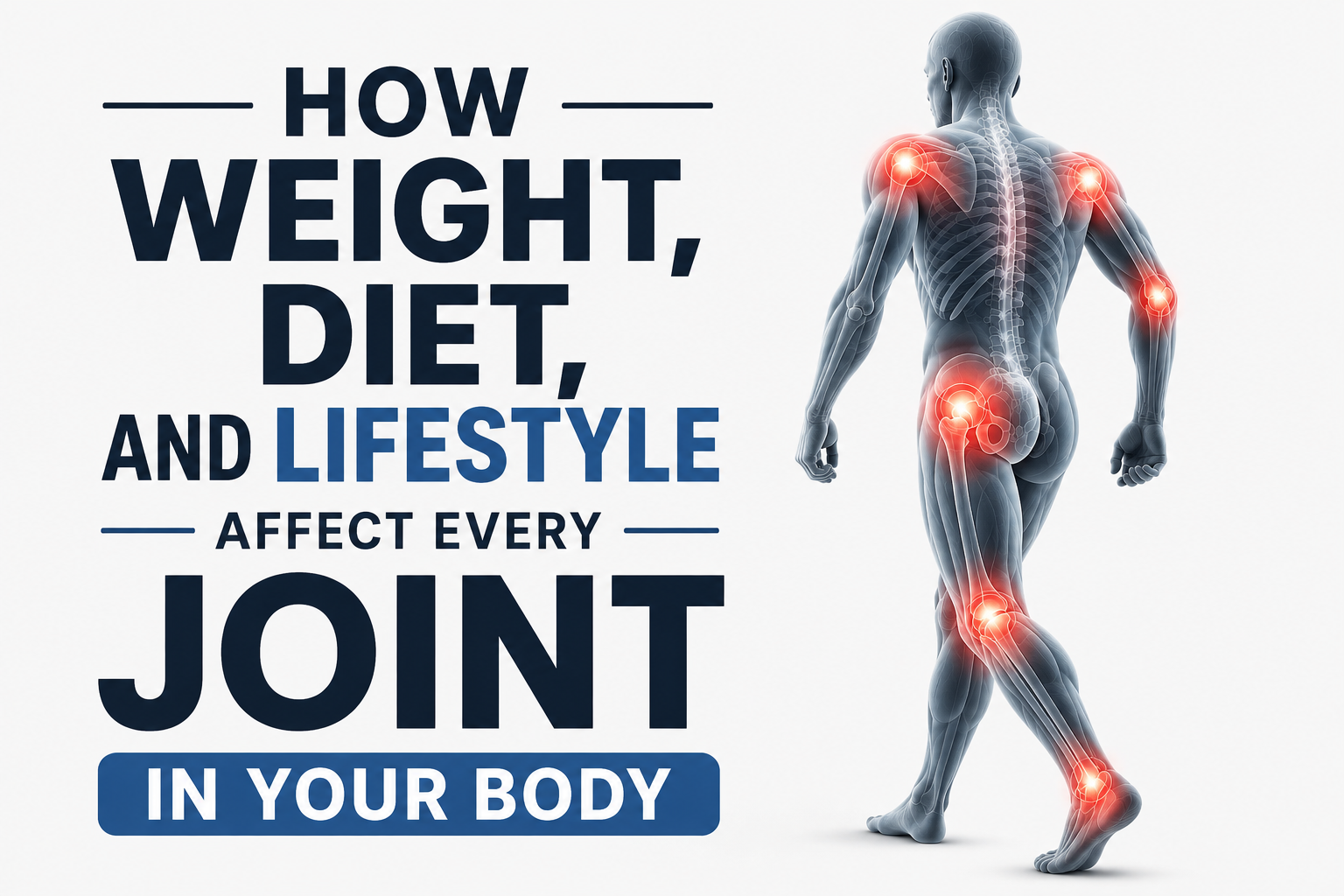
Your joints play a vital role in helping you move, work, exercise, and perform everyday activities without discomfort. From your shoulders and hips to your knees and ankles, every joint in your body works together to provide stability and mobility. However, factors such as excess body weight, poor nutrition, and an inactive lifestyle can gradually damage these joints, leading to pain, stiffness, and long-term orthopaedic conditions.

Joint problems are no longer limited to older adults. Today, many younger individuals experience joint pain due to obesity, sedentary habits, unhealthy eating patterns, and repetitive strain. Fortunately, adopting healthier lifestyle choices can significantly reduce the risk of joint degeneration and improve overall musculoskeletal health.
As one of Kolkata’s trusted orthopaedic specialist, we help patients prevent, diagnose, and treat a wide range of joint conditions using advanced, personalised treatment approaches. Whether you require conservative care or advanced procedures such as knee surgery, Shoulder Arthroscopy, or Hip Replacement, our experienced orthopaedic specialists are committed to restoring your mobility and improving your quality of life.
Why Healthy Joints Matter
A joint is where two or more bones meet. Cartilage cushions the ends of bones, while ligaments, tendons, muscles, and synovial fluid allow smooth movement and stability.
Healthy joints allow you to:
- Walk comfortably
- Climb stairs
- Lift objects
- Exercise safely
- Maintain balance
- Perform daily activities independently
When joints become damaged, even simple movements can become painful and difficult.
How Excess Body Weight Affects Your Joints

One of the biggest contributors to joint problems is excess body weight.
Every additional kilogram of body weight places significantly more pressure on weight-bearing joints such as the knees, hips, and ankles. Over time, this increased stress accelerates cartilage wear and increases the likelihood of developing osteoarthritis.
Knees
The knees absorb substantial force during walking, climbing stairs, running, and standing. Being overweight dramatically increases stress on these joints, leading to:
- Cartilage damage
- Knee pain
- Swelling
- Reduced mobility
- Early arthritis
In severe cases where conservative treatment no longer provides relief, knee surgery may be recommended to restore joint function and improve quality of life.
Hips
The hip joints support the body’s weight while allowing smooth movement during walking and sitting.
Excess weight can contribute to:
- Hip cartilage degeneration
- Chronic hip pain
- Limited movement
- Osteoarthritis
When joint damage becomes severe, Hip Replacement surgery can help patients regain mobility, reduce pain, and return to daily activities with greater comfort.
Ankles and Feet
Carrying excess weight also places continuous pressure on the ankles and feet, increasing the risk of:
- Heel pain
- Plantar fasciitis
- Tendon injuries
- Joint inflammation
Maintaining a healthy body weight helps reduce unnecessary stress on these joints.
The Role of Diet in Joint Health
A balanced diet provides essential nutrients that help maintain strong bones, healthy cartilage, and flexible joints.
Calcium
Supports bone strength and helps reduce the risk of fractures.
Sources include:
- Milk
- Yogurt
- Cheese
- Green leafy vegetables
Vitamin D
Vitamin D improves calcium absorption and supports bone health.
Natural sources include:
- Sunlight
- Fatty fish
- Eggs
- Fortified foods
Protein
Proteins help repair muscles, ligaments, tendons, and connective tissues.
Healthy protein sources include:
- Lentils
- Beans
- Fish
- Chicken
- Eggs
Omega-3 Fatty Acids
Omega-3s possess anti-inflammatory properties that may help reduce joint stiffness.
Found in:
- Salmon
- Sardines
- Walnuts
- Flaxseeds
Antioxidants
Fruits and vegetables rich in antioxidants help reduce inflammation and support tissue repair.
Include:
- Berries
- Citrus fruits
- Tomatoes
- Spinach
- Carrots
Foods That May Harm Joint Health

Certain dietary habits may worsen inflammation and contribute to weight gain.
Try limiting:
- Sugary drinks
- Processed foods
- Deep-fried snacks
- Refined carbohydrates
- Excessive salt
- Highly processed meats
A healthier diet not only supports your joints but also improves overall health.
Lifestyle Habits That Protect Your Joints
Stay Physically Active
Regular exercise strengthens muscles that support your joints.
Recommended activities include:
- Walking
- Swimming
- Cycling
- Yoga
- Stretching exercises
Aim for at least 150 minutes of moderate physical activity each week.
Maintain Good Posture
Poor posture increases stress on the spine, shoulders, hips, and knees.
Simple posture corrections during work and daily activities help reduce long-term joint strain.
Avoid Smoking
Smoking reduces blood circulation and delays tissue healing, increasing the risk of degenerative joint conditions.
Get Adequate Sleep
During sleep, the body repairs damaged tissues and reduces inflammation.
Adults should aim for 7–8 hours of quality sleep every night.
Prevent Joint Injuries
Use proper techniques while exercising and lifting heavy objects.
Wearing supportive footwear also helps minimise joint stress.
Common Warning Signs of Joint Problems
Consult an orthopaedic specialist if you experience:
- Persistent joint pain
- Swelling
- Stiffness
- Clicking or grinding sensations
- Difficulty walking
- Reduced range of motion
- Shoulder pain that limits arm movement
- Hip pain during walking
- Knee instability
Early diagnosis often leads to more effective treatment and prevents further joint damage.
Advanced Treatment Options at Orthodocreet
When lifestyle modifications and medications are insufficient, advanced orthopaedic treatments may be recommended.
Knee Surgery
Patients with severe arthritis, ligament injuries, cartilage damage, or advanced joint degeneration may benefit from knee surgery. Treatment options depend on the underlying condition and individual needs.
Shoulder Arthroscopy
Shoulder Arthroscopy is a minimally invasive procedure used to diagnose and treat conditions such as:
- Rotator cuff tears
- Shoulder instability
- Labral injuries
- Shoulder impingement
- Frozen shoulder (selected cases)
This technique uses small incisions, resulting in faster recovery, reduced pain, and minimal scarring compared to traditional open surgery.
Hip Replacement
For patients with advanced hip arthritis or severe joint damage, Hip Replacement surgery replaces the damaged joint with an artificial implant.
Benefits include:
- Significant pain relief
- Improved mobility
- Better quality of life
- Long-lasting joint function
Orthopedic treatment in Kolkata, every treatment plan is customised according to the patient’s age, lifestyle, activity level, and overall health.
Tips for Long-Term Joint Health
Protect your joints by following these simple habits:
- Maintain a healthy body weight.
- Eat a balanced, nutrient-rich diet.
- Exercise regularly.
- Strengthen supporting muscles.
- Stay hydrated.
- Avoid prolonged sitting.
- Maintain proper posture.
- Wear comfortable, supportive footwear.
- Schedule regular orthopaedic check-ups if you experience ongoing joint pain.
Consistency with these habits can help preserve joint function for years to come.
Conclusion
Your weight, diet, and daily lifestyle choices have a direct impact on the health of every joint in your body. Maintaining a healthy weight, eating nutritious foods, staying active, and seeking timely medical advice can significantly reduce the risk of chronic joint pain and degenerative conditions.
If you are experiencing persistent discomfort in your knees, shoulders, or hips, early evaluation is essential. Our experienced orthopaedic specialists in Kolkata provide comprehensive care for a wide range of musculoskeletal conditions, including advanced Knee Replacement Surgery, Shoulder Arthroscopy, and Hip Replacement procedures. We are committed to helping patients regain mobility, reduce pain, and return to an active, healthier life.
Frequently Asked Questions (FAQs)
1. How does excess body weight affect joint health?
Excess weight places additional stress on weight-bearing joints such as the knees and hips, increasing the risk of cartilage damage, osteoarthritis, and chronic joint pain.
2. Can diet help improve joint health?
Yes. A balanced diet rich in calcium, vitamin D, protein, omega-3 fatty acids, and antioxidants supports healthy bones, cartilage, and muscles while reducing inflammation.
3. When is knee surgery recommended?
Knee surgery may be recommended for severe arthritis, ligament injuries, cartilage damage, or persistent knee pain that does not improve with conservative treatments.
4. What conditions can Shoulder Arthroscopy treat?
Shoulder Arthroscopy is commonly used to treat rotator cuff tears, shoulder instability, labral injuries, impingement syndrome, and certain cases of frozen shoulder.
5. Who is a candidate for Hip Replacement surgery?
Patients with severe hip arthritis, chronic hip pain, limited mobility, or significant joint damage that affects daily activities may benefit from Hip Replacement surgery after evaluation by an orthopaedic specialist.
