
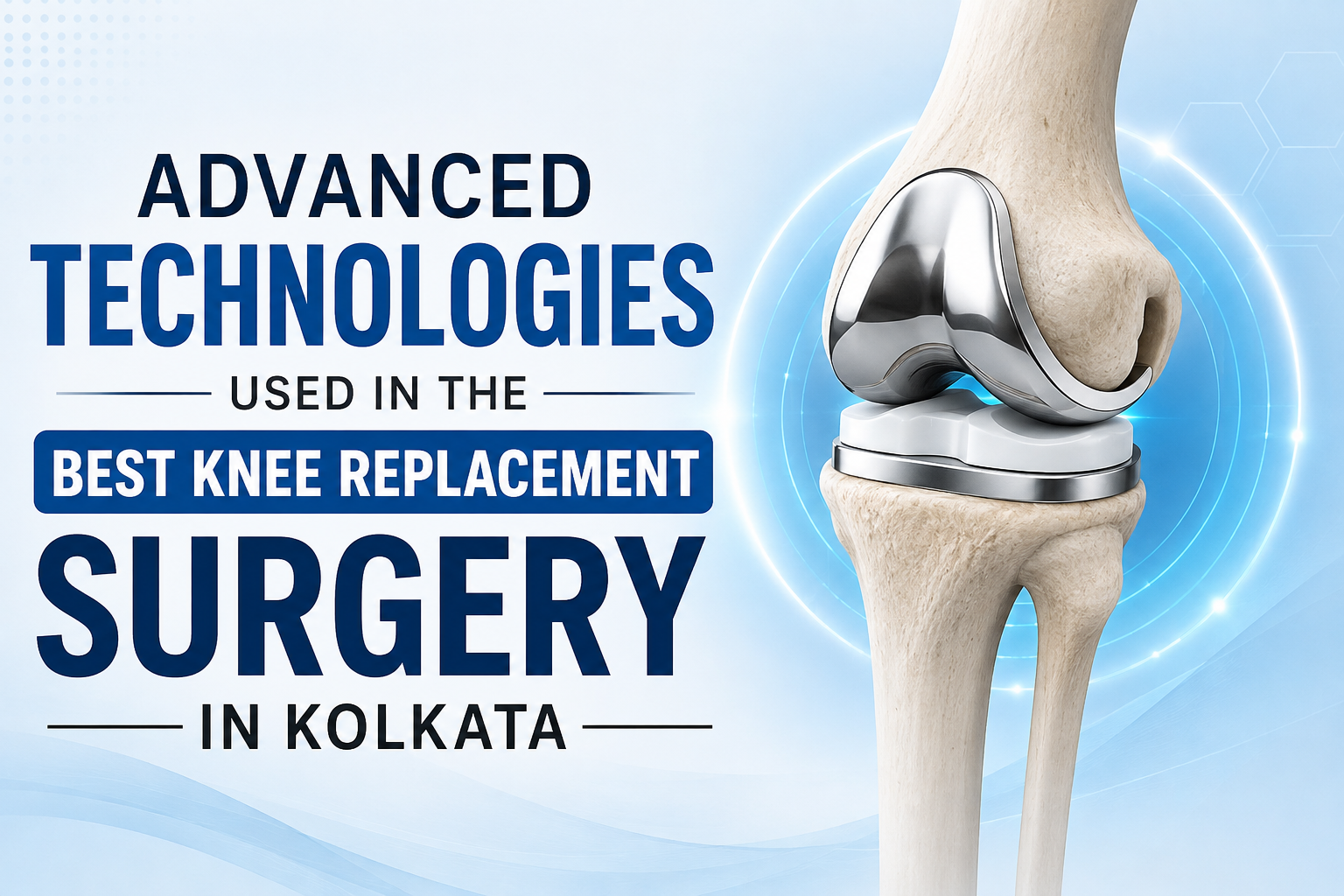
Knee pain is one of the leading causes of reduced mobility and a lower quality of life, especially among older adults and people with advanced arthritis. When medications, physiotherapy, and lifestyle changes are no longer effective, Knee Replacement Surgery becomes a reliable solution for restoring mobility and relieving chronic pain.
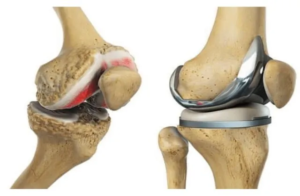
Thanks to remarkable advancements in orthopaedic care, today’s surgical techniques are safer, more precise, and designed to help patients recover faster than ever before. If you are searching for the best Knee Replacement Surgery in Kolkata, understanding the latest technologies can help you make an informed treatment decision.
Dr. Reet Mukhopadhyay, a highly experienced orthopaedic specialist, offers advanced knee care using modern diagnostic techniques, minimally invasive procedures, and personalised treatment plans to achieve the best possible outcomes for every patient.
What Is Knee Replacement Surgery?
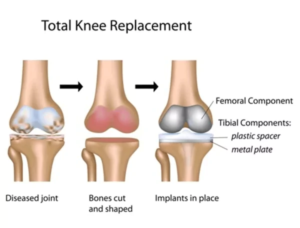
Knee Replacement Surgery is a procedure in which damaged cartilage and worn-out joint surfaces are replaced with high-quality artificial implants. The surgery is commonly recommended for patients suffering from:
- Severe osteoarthritis
- Rheumatoid arthritis
- Post-traumatic arthritis
- Advanced knee deformities
- Chronic knee pain affecting daily activities
The primary objective of the surgery is to reduce pain, restore movement, and improve the patient’s overall quality of life.
How Technology Has Transformed Knee Replacement Surgery
Modern orthopaedic technology has significantly improved the accuracy and success rate of Knee Replacement Surgery. Advanced planning, precise implant positioning, and minimally invasive techniques help reduce complications while enhancing long-term results.
Below are some of the most important technological advancements used in modern knee replacement procedures.
1. Advanced Digital Imaging and 3D Surgical Planning
Before surgery, detailed digital X-rays, CT scans, or MRI scans provide a complete view of the knee joint.
Using advanced software, surgeons can:
- Evaluate joint damage accurately
- Measure bone alignment
- Select the correct implant size
- Create a personalised surgical plan
This detailed planning improves implant positioning and contributes to better long-term function after Knee Replacement Surgery.
2. High-Precision Surgical Instruments
Modern surgical instruments are specifically designed to improve precision during surgery.
These instruments allow surgeons to:
- Preserve healthy bone
- Minimise tissue damage
- Improve implant alignment
- Reduce surgical errors
Greater precision often leads to less pain after surgery and a smoother recovery process.
3. Minimally Invasive Knee Replacement Techniques
Traditional knee replacement required larger incisions and greater disruption of surrounding muscles.
Today, many patients benefit from minimally invasive techniques that involve:
- Smaller surgical incisions
- Reduced muscle damage
- Less blood loss
- Lower risk of infection
- Faster rehabilitation
- Shorter hospital stay
Not every patient is suitable for minimally invasive surgery, which is why an experienced knee replacement doctor carefully evaluates each case before recommending the most appropriate treatment.
4. Modern Knee Implants with Improved Durability
Today’s knee implants are manufactured using advanced materials such as:
- Highly cross-linked polyethylene
- Titanium alloys
- Cobalt-chromium alloys
- Ceramic-coated components
These implants are designed to:
- Provide smoother joint movement
- Reduce implant wear
- Increase durability
- Support long-term performance
With proper care, many modern implants can last 15 to 25 years or even longer.
5. Enhanced Pain Management Protocols
Pain management has evolved significantly in recent years.
Modern recovery protocols include:
- Regional nerve blocks
- Multimodal pain medications
- Early physiotherapy
- Individualised rehabilitation programmes
These approaches help patients become mobile sooner while reducing dependence on strong pain medications.
The Role of Knee Arthroscopy in Knee Care
Although Knee Arthroscopy is different from Knee Replacement Surgery, it plays an important role in diagnosing and treating many knee conditions.
Knee Arthroscopy is a minimally invasive procedure that uses a small camera inserted through tiny incisions to examine the inside of the knee joint.
It is commonly used for:
- Meniscus tears
- Ligament injuries
- Cartilage damage
- Loose bone fragments
- Persistent knee pain
In some patients, Knee Arthroscopy can successfully treat knee problems before severe arthritis develops, potentially delaying the need for Knee Replacement Surgery.
An experienced orthopaedic specialist will determine whether arthroscopy or knee replacement is the most suitable treatment based on the severity of joint damage.
Benefits of Advanced Knee Replacement Surgery
Modern technology has significantly improved patient outcomes.
Some major benefits include:
- Improved surgical accuracy
- Better implant positioning
- Faster recovery
- Reduced post-operative pain
- Lower complication rates
- Improved knee function
- Greater implant longevity
- Enhanced quality of life
Patients can often return to daily activities, walking, and light exercise much sooner than was possible with older surgical techniques.
Choosing the Right Knee Replacement Doctor
Selecting an experienced knee replacement doctor is just as important as choosing advanced surgical technology.
When looking for the best specialist, consider:
- Extensive experience in Knee Replacement Surgery
- Expertise in treating complex knee conditions
- Use of advanced diagnostic methods
- Personalised treatment planning
- Comprehensive rehabilitation support
- Strong patient satisfaction and successful outcomes
A skilled surgeon combines modern technology with clinical expertise to provide safe and effective treatment tailored to each patient’s needs.
Why Choose Dr. Reet Mukhopadhyay?
When searching for the best Knee Replacement Surgery in Kolkata, patients need a specialist who combines experience, precision, and patient-centred care.
Dr. Reet Mukhopadhyay is committed to providing comprehensive orthopaedic care through:
- Accurate diagnosis of knee conditions
- Personalised treatment plans
- Advanced Knee Replacement Surgery techniques
- Expert management of sports injuries and arthritis
- Knee Arthroscopy for appropriate cases
- Comprehensive rehabilitation guidance
- Focus on long-term joint health and mobility
Every treatment plan is designed according to the patient’s age, lifestyle, activity level, and severity of joint damage, ensuring the most appropriate and effective care.
Recovery After Knee Replacement Surgery
Recovery is an important part of achieving excellent surgical outcomes.
Most patients benefit from:
- Early walking under supervision
- Regular physiotherapy
- Strengthening exercises
- Healthy nutrition
- Weight management
- Routine follow-up appointments
Following the rehabilitation programme carefully can help restore strength, improve flexibility, and maximise the lifespan of the knee implant.
Conclusion
Modern advancements have transformed Knee Replacement Surgery into a highly precise, safe, and successful procedure for patients suffering from chronic knee pain and advanced arthritis. Technologies such as digital imaging, minimally invasive techniques, durable implants, and enhanced rehabilitation protocols have greatly improved recovery and long-term outcomes.
At the same time, Knee Arthroscopy continues to play an important role in diagnosing and treating many knee conditions before joint damage becomes severe. Consulting an experienced knee replacement doctor ensures you receive the most appropriate treatment based on your individual condition.
If you are experiencing persistent knee pain that limits your daily activities, consulting Dr. Reet Mukhopadhyay can help you explore advanced treatment options and regain an active, pain-free lifestyle with expert orthopaedic care.
Frequently Asked Questions
1. Who is a suitable candidate for Knee Replacement Surgery?
Patients with severe arthritis, chronic knee pain, stiffness, and limited mobility that do not improve with non-surgical treatments are often suitable candidates for Knee Replacement Surgery.
2. Is Knee Arthroscopy the same as Knee Replacement Surgery?
No. Knee Arthroscopy is a minimally invasive procedure used to diagnose and treat specific knee problems, while Knee Replacement Surgery replaces damaged joint surfaces with artificial implants.
3. How long does recovery take after Knee Replacement Surgery?
Most patients resume normal daily activities within 6 to 12 weeks, although complete recovery and strength improvement may continue for several months.
4. How long do modern knee implants last?
With proper care, modern knee implants can often last 15 to 25 years or longer, depending on the patient’s activity level and overall health.
5. Why should I consult Dr. Reet Mukhopadhyay for knee treatment?
Dr. Reet Mukhopadhyay offers personalised orthopaedic care, advanced surgical techniques, comprehensive evaluation, and patient-focused rehabilitation to help achieve the best possible outcomes in knee care.
